
Obituary: Dolly Parton
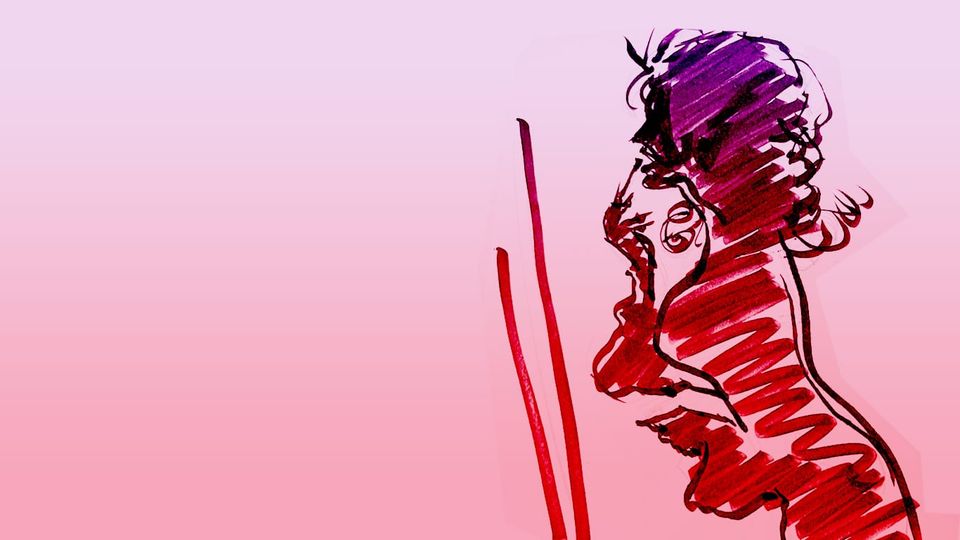
by Sahar Tavakoli.
No-o-o–o-body’s fool: Dolly Rebecca Parton has died. Born to Avie Lee Caroline and Robert Lee Parton Sr. on January 19, 1946, in Pittman Center, Tennessee, the Unlikely Angel left the world’s stage on August 25, 2026, aged 80—bound, one imagines, for the company of her kind.
Actress, producer and theme-park proprietor, Parton is best known as a singer and songwriter. Her recording career spanned more than six decades, beginning with the 1967 release of Hello, I’m Dolly, the first of 49 studio albums, and included, among its releases, such songs as Jolene, I Will Always Love You, and 9 to 5. Parton was also a generous philanthropist. In 1988, she would establish the Dollywood Foundation, aiming to improve educational outcomes in her native Sevier County. The foundation’s flagship programme, The Imagination Library, founded in 1995, has, as of this year, distributed more than 325 million books to children across the United States, Canada, the United Kingdom, Australia and the Republic of Ireland. After wildfires burned through Sevier County in 2016, Parton’s My People Fund provided displaced families with $1,000 a month for six months, later increasing the final payment to $5,000. In 2020, Parton donated $1 million to Vanderbilt University Medical Center for COVID-19 research, funding work that contributed to the early testing of Moderna’s mRNA-1273 vaccine. But the most iconic of her projects was, without doubt, the manner in which she fashioned herself before the world.
When, in 1996, biologist Keith Campbell and embryologist Ian Wilmut successfully cloned a Finn Dorset sheep from an adult somatic cell, they named their ovine creation Dolly—not in tribute to Parton the woman, but after her breasts. “Dolly is derived from a mammary gland cell,” Wilmut explained, “and we couldn’t think of a more impressive pair of glands than Dolly Parton’s”. This was not an isolated indignity. For much of her career, some aspect of Parton’s appearance—her breasts, her wigs, her makeup, her clothing–was taken as an invitation to ridicule.
In February of 1977, Parton released New Harvest…First Gathering, her first self-produced album and her first to top Billboard’s country chart. Eight months later, she would release Here You Come Again, the album that would carry Parton beyond Nashville, into the American pop mainstream, and for which she would ultimately earn her first Grammy. As Parton made the promotional rounds for these dual successes, interviewers remained preoccupied with the spectacle of the artist herself. On The Tonight Show, Johnny Carson offered to exchange a year’s salary for a peek under Parton’s blouse. Soon afterward, Parton would not so much sit for an interview with Barbara Walters, as stand for inspection. “You don’t have to look like this,” Walters would tell her, simultaneously outlining an exaggerated hourglass with her hands, before eventually asking “Do you ever feel that you’re a joke?” In 2008, in an ostensible expression of affection for Parton, Nell Scovell—journalist and co-author of Lean In—would describe her features as reminiscent of a kind of cherrywood Ship of Theseus, one where “all the parts have been replaced,” marvelous “back before someone took George Washington’s hatchet to her face”.
Ultimately, such comments tended to make their authors look smaller, not Parton. She received their mockery graciously, elegantly, and answered in quips—“It costs a lot of money to look this cheap”; “The higher the hair, the closer to God;” “I’m a self-made woman, and I have the doctor’s bills to prove it”. That same generosity toward those who mistook appearance for substance would also emerge in her songs. In Coat of Many Colors, Parton recalls being laughed at for a homemade patchwork jacket: “I couldn’t understand it, for I felt that I was rich.” In Backwoods Barbie, she phrases the logic of the simulacrum in verse, “I might look artificial, but where it counts I’m real.” And in Dumb Blonde—my favourite from Parton’s catalogue—she cautions against the limits of stereotype: “Just because I’m blonde / don’t think I’m dumb / ’cause this dumb blonde ain’t nobody’s fool.” In a 1967 performance on the Porter Wagoner Show, Parton makes the point mischeiviously, changing her lyrics from “And you know if there’s one thing this blonde has learned / Blondes have more fun” to “Blondes buy more peroxide.” Artifice, she showed us, should not be confused for inauthenticity.
Parton is survived by her siblings Willadeene, Bobby, Stella, Cassie, Freida, and Rachel Parton, and their children, and by so, so many grieving hearts.

Comments ()